About Us
Our Philosophy
Emory WHSC Office of Well-Being (EmWELL) was formed in 2022 to develop and implement programs and strategies that promote the well-being of healthcare and health sciences professionals at Emory. EmWELL partners with teams across the system to establish well-being as a long-term value, address environmental stressors, optimize the nature of work, and enable culture that prioritizes professional fulfillment.
Mission
To support and improve the organizational well-being of Emory WHSC through addressing the work environment in which healthcare and health sciences professionals work within.
Purpose
To create, enhance, and lead well-being initiatives in partnership with teams across the WHSC.
Vision
A future in which well-being is woven into the fabric of Emory, where every healthcare and health sciences professional can thrive professionally, and where fulfillment, not burnout, defines workplace culture.
Definition of Workplace Well-Being
In 2022, EmWELL (Emory Office of Well-Being) developed a working definition of well-being based on the feedback of more than 1,400 team members at the Woodruff Health Sciences Center. When we understand what well-being means to our teams, then we can best understand how to talk about it with our teams, how to measure it, and how to make sure as leader's we're leading towards it.
The optimal state of health and fulfillment experienced by people and teams when they feel:
- Safe
- Balanced
- Respected
- Supported in their efforts
- Connected to their communities
- Satisfied by being able to function at their best, and
- Joyful from engaging in meaningful activities
EmWELL Workplace Well-Being Model
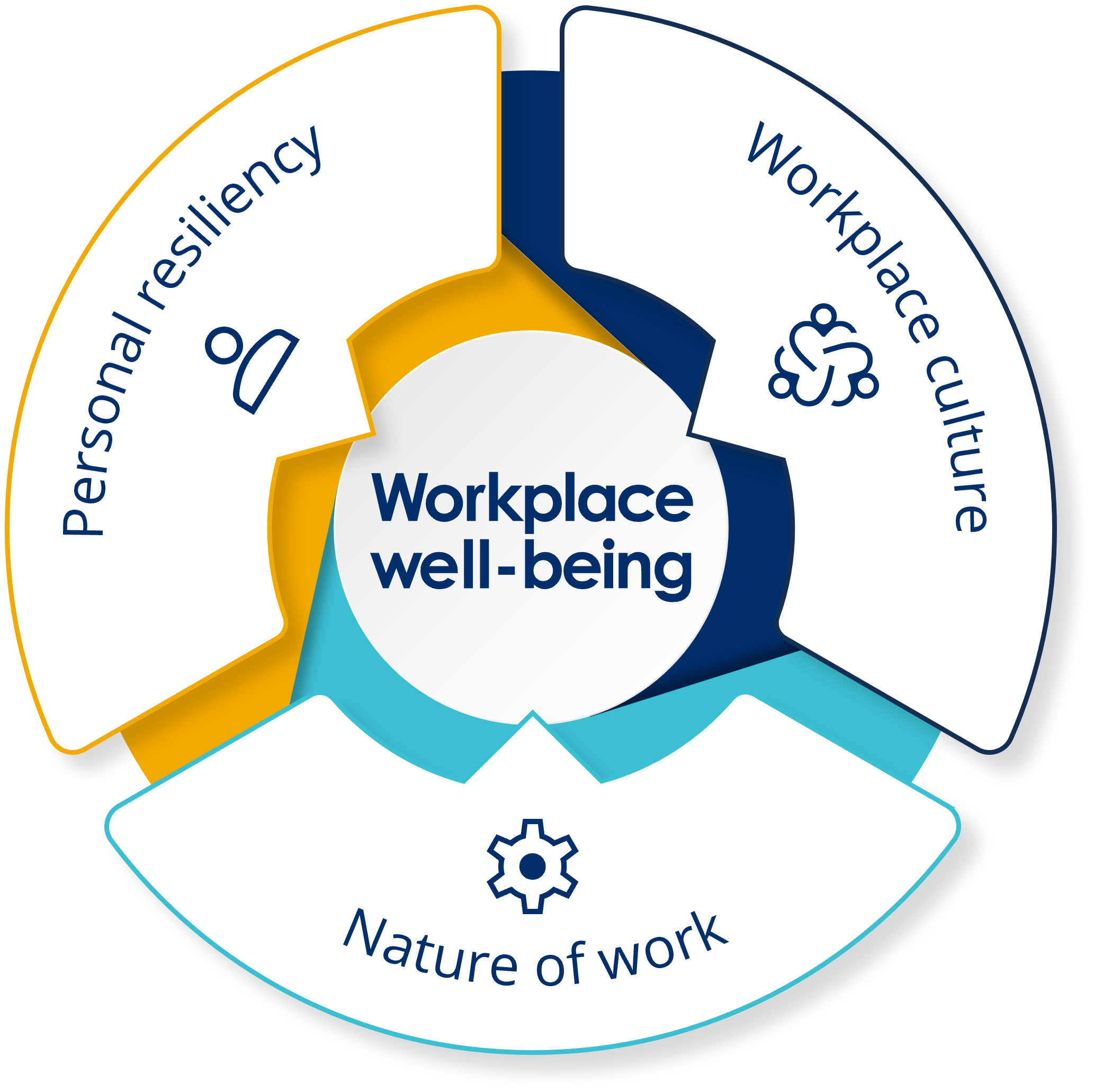
The EmWELL Workplace Well-Being Model is an evidence-informed and systems-oriented framework for understanding and improving well-being among healthcare and academic health sciences professionals. Adapted from the Stanford Model of Occupational Well-Being, our model recognizes that well-being and professional fulfillment are shaped by individual, work, and organizational influences acting together rather than in isolation. This framework informs our strategy, measurement, and intervention efforts across Emory Healthcare and the Woodruff Health Sciences Center (WHSC).
Core Domains of Our Model
We conceptualize workplace well-being through three primary, interconnected domains that influence burnout, engagement, and professional fulfillment.
This domain reflects the organizational environment — the shared values, norms, and leadership behaviors that foster a culture where well-being is prioritized, psychological safety is upheld, and all team members feel respected, supported, and included.
Key elements include:
- Leadership commitment and accountability for well-being
- Norms that promote psychological safety, mutual respect, and trust
- Alignment between individual and organizational values
- Recognition practices that reinforce appreciation and equitable treatment
A supportive culture underpins sustainable well-being by reinforcing behaviors that affirm meaning, connectedness, and inclusion.
In our adapted model, the nature of work refers to the design, demands, and structure of work itself, including systems, workflows, team processes, and conditions that influence how work gets done. This domain emphasizes optimizing work conditions to enable employees to function safely, effectively, and sustainably.
Key elements include:
- Workflow and system design that minimizes unnecessary burden
- Roles and responsibilities aligned with skills and professional scope
- Effective communication and team processes
- Work systems that support quality patient care and positive colleague interaction
Well-designed work environments reduce unnecessary stressors and enable professionals to work with purpose, clarity, and sustained engagement.
This domain encompasses personal resources, strategies, and behaviors that individuals bring to their work. These factors shape how we respond to stressors and sustain personal well-being over time.
Key elements include:
- Self-valuation and prioritization of personal well-being
- Access to emotional support with reduced stigma around use of mental health services
- Peer support programs with protected time (e.g., EmBRACE Peer Support)
- Evidence-based health promotion and resources that support life-needs (e.g., caregiving, financial counseling, stress management tools)
Personal resiliency factors interact with organizational culture and work design to shape burnout and professional fulfillment.
Why This Framework Matters
The EmWELL model highlights the shared responsibility between individuals, teams, and systems. Well-being is not solely an individual task nor is it solvable through organizational change alone; rather, the dynamic interaction among organizational culture, the nature of work, and individual resources determines the overall well-being environment.
Our Team
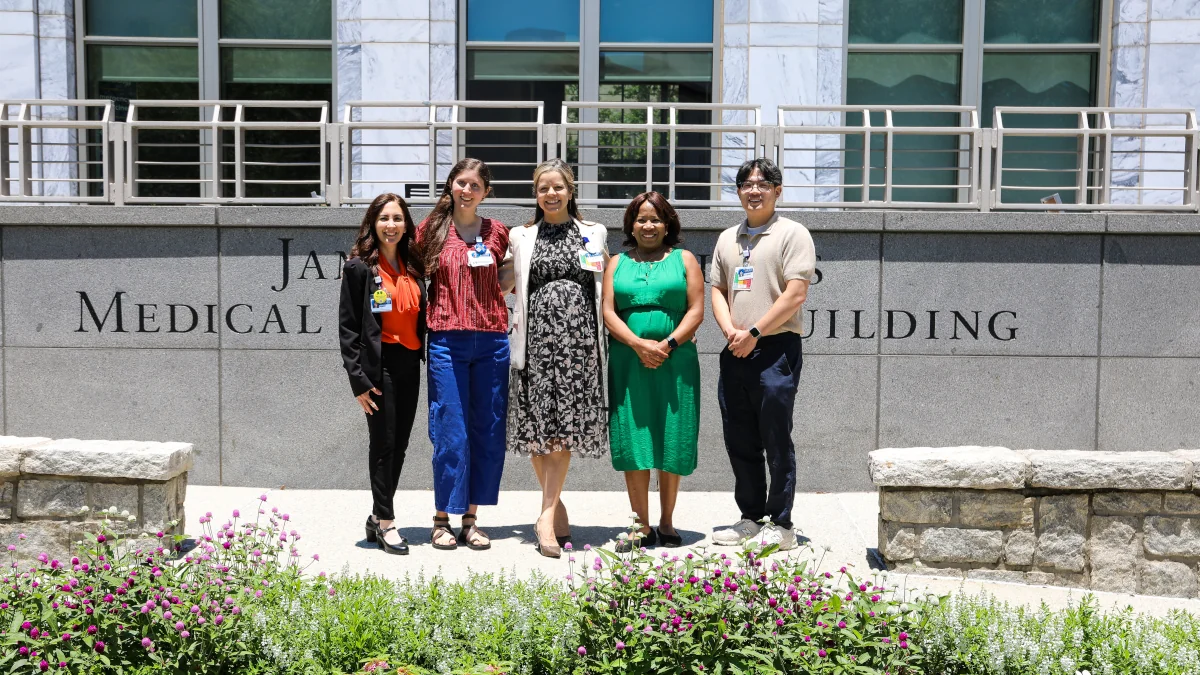
EmWELL’s core operational team is part of the Emory Healthcare People Team; learn more about the core operational team on the Our Team page. In addition to the core operational team, EmWELL’s infrastructure includes an Advisory Council and professional Committees that counsel on strategy, support implementation of EmWELL's initiatives, and ensure the voices from the frontlines are heard.